Key Takeaways
- Falls on hielo negro in Athens aren’t minor slips. They lead to serious injuries like broken bones and traumatic brain damage.
- The property owner’s negligence, like not salting a sidewalk they knew was icy or failing to put up a warning, is what establishes legal responsibility.
- Right after a fall, you need to be documenting everything: taking photos/videos of the scene, getting immediate medical attention, and finding witnesses.
- Georgia’s modified comparative negligence law (O.C.G.A. § 51-12-33) means your compensation gets reduced if you’re found partly at fault, and you get nothing if you’re 50% or more to blame.
- You should consult a Georgia personal injury attorney to understand your rights and get through the claims process, which is way more complex than most people think.
The morning of January 18, 2026, brought an unexpected freeze to Athens, Georgia. Doña Elena, a 68-year-old retiree, left her home in the Five Points neighborhood to walk to the corner bakery, a Saturday ritual for her. The sidewalk looked just wet, but it was hiding a treacherous, nearly invisible sheet of hielo negro. One wrong step sent her feet flying out from under her, and her head hit the concrete with a sickening thud. The pain was sharp, instant, and she was completely disoriented. A slip on black ice can change a life, and in Athens, that danger is very real.
The Silent Danger of Black Ice in Athens
Doña Elena was lying on the ground, her left arm bent at a horribly wrong angle. A neighbor, Mr. Rodríguez, who was just coming out to water his plants, saw her and immediately called 911. The ambulance got there in minutes and rushed her to Piedmont Athens Regional Medical Center. The diagnosis was a fractured humerus and a mild concussion. What started as a simple fall turned into a hospital stay, surgery, and a long road of rehab. These kinds of accidents from hielo negro are not uncommon in Athens during the winter months, and their consequences can be life-altering. The thing about hielo negro is it’s transparent, so it just blends in with the pavement, making it almost impossible to spot. It forms when the air temperature is just above freezing but the ground itself is 32°F (0°C) or colder, so any light rain or melting snow freezes on contact. Here in Georgia, where winter temperatures can swing wildly from one hour to the next, these conditions pop up all the time. The National Weather Service office in Peachtree City will issue frost and ice alerts for these situations, but people walking on sidewalks often have no idea of the risk right under their feet.
Property Owner Responsibility: Who Pays for the Fall?
Doña Elena’s situation wasn’t just bad luck. It raised serious questions about responsibility. The sidewalk where she fell belonged to a small shopping center. Did the owner have a duty to keep it safe? In Georgia, premises liability law says property owners must keep their property reasonably safe for people they invite onto it. This includes taking steps to get rid of known dangers, or dangers they *should* have known about, like hielo negro. “It’s not good enough for an owner to just say ‘I didn’t see it,'” explains one seasoned personal injury lawyer in Georgia. “If a reasonable owner, doing their due diligence, would have inspected the property and found the ice, or if the weather made ice foreseeable, then you’ve probably got grounds for a negligence claim.” The whole case turns on that word: “reasonableness.” What did the owner do to prevent the danger? Did they put down any salt or sand? Were there any warning signs? In Doña Elena’s case, there was nothing, no signs, no salt, no sand.
¿Resbalón y caída?
Sepa cuánto vale su caso con la Calculadora de Pagos para Caída por Resbalón con IA ¡GRATIS!
Iniciar mi evaluación gratisDealing with the Aftermath: Steps After a Sidewalk Slip
Doña Elena’s physical recovery was slow and agonizing. On top of the physical pain, the financial stress was piling up with medical bills, prescriptions, and physical therapy costs. Mr. Rodríguez, the neighbor who found her, offered to help. He took pictures of the sidewalk right after the accident, which clearly showed the slick, invisible layer of ice. He also wrote down the time and date and got the contact info for another person walking by who had also nearly slipped in the same spot. Those details turned out to be incredibly important.
Documentation: Your Strongest Evidence
After a resbalón en acera from hielo negro, documentation is everything. If you’re able (and without moving if you think you’re seriously hurt), have someone take photos or video of the accident scene. You need to capture:
- The ice itself, from different angles to show how hard it was to see.
- The complete lack of any warning signs.
- The absence of salt or sand on the ground.
- Other factors like poor lighting if it was dark.
- The shoes you were wearing, as that can sometimes become an issue.
“Photos and videos are powerful evidence,” a paralegal who handles fall cases mentioned. “People’s memories get fuzzy, but a picture of the dangerous condition right at the time of the accident is invaluable.” It’s also smart to get contact information from any witnesses, because their testimony can back up your side of the story.
Get Medical Attention Immediately and Keep Detailed Records
Doña Elena did exactly the right thing by getting medical help right away. It was essential for her health and for her legal case. If you wait to see a doctor, the other side’s insurance company will argue that your injuries weren’t from the fall or aren’t as bad as you claim. You have to:
- Keep every single medical record: ambulance reports, hospital diagnoses, prescriptions, and all the bills.
- Follow through on all recommendations from your doctors and therapists. Don’t skip appointments.
- Keep a personal journal about your pain and daily limitations, writing down exactly how the injuries are affecting your life. This helps quantify the emotional and physical toll for the case.
Understanding Georgia’s Negligence Law
In Georgia, resbalón en acera cases are decided based on negligence principles. To win a claim, a victim like Doña Elena has to prove four things:
- Duty of Care: The property owner had a legal duty to keep the premises reasonably safe (e.g., by de-icing walkways).
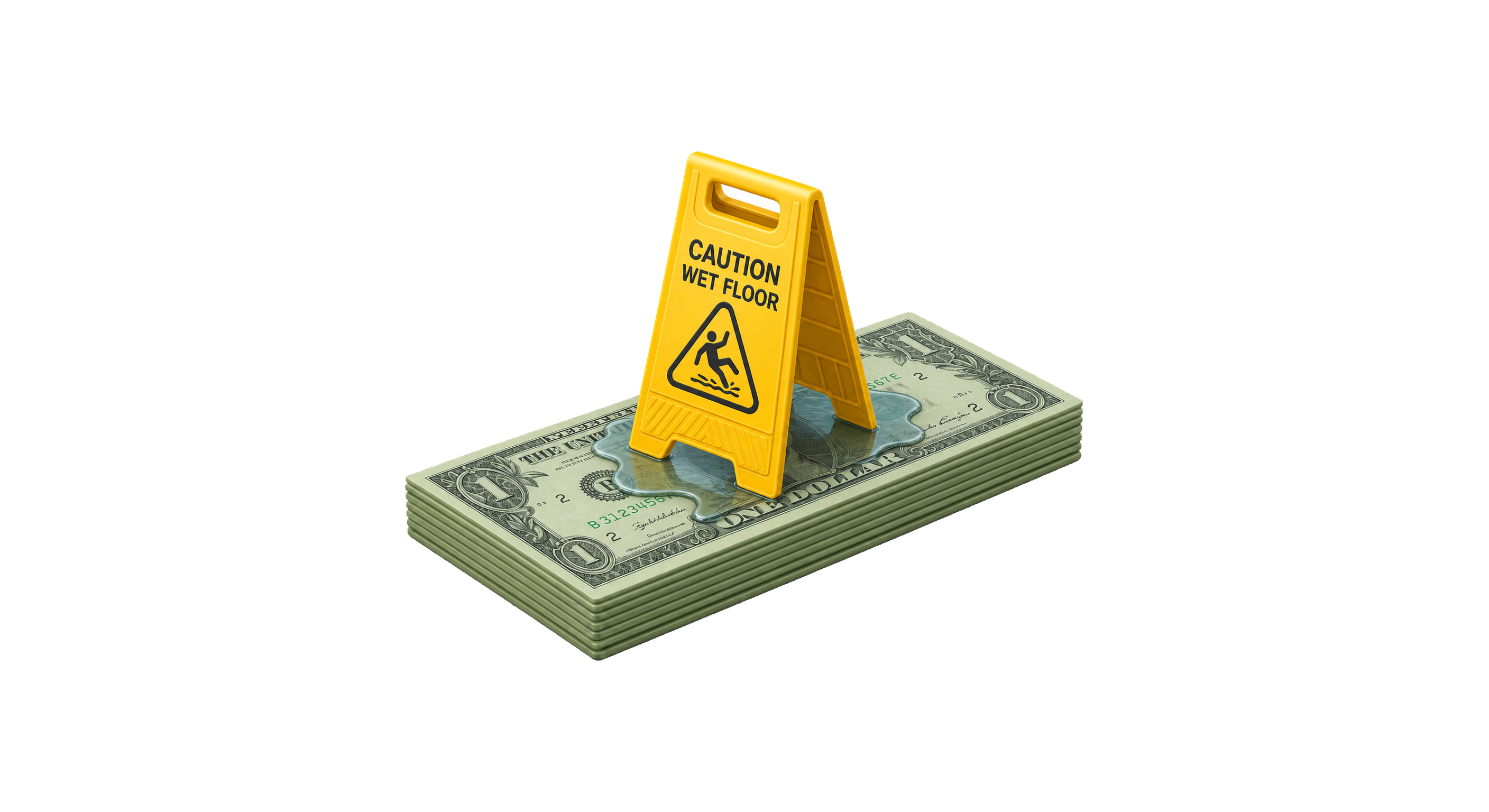
- Breach of Duty: The owner failed to meet that duty, for example, by not salting the ice or putting up a “Wet Floor” sign.
- Causation: The owner’s failure to act is what directly caused the victim’s injuries.
- Damages: The victim suffered actual harm, physical injuries, medical expenses, lost income, and pain and suffering.
Georgia uses a modified comparative negligence doctrine, spelled out in O.C.G.A. § 51-12-33. This means that if you’re found to be partially at fault for your own accident, your compensation can be reduced. Critically, if you are found to be 50% or more at fault, you get nothing at all. For instance, if a jury decided Doña Elena was 20% responsible for not watching her step carefully enough, and her total damages were $100,000, she would only receive $80,000. This legal detail can absolutely change the outcome of a case.
The Legal Process: From the Fall to a Resolution
After a few weeks of trying to recover, Doña Elena realized she couldn’t handle this on her own. The shopping center’s insurance company started calling, pushing for a quick settlement that seemed way too low. She decided to get legal advice. In Athens, there are personal injury firms that know the ins and outs of these specific cases. A personal injury lawyer would review her case, look at all the evidence (photos, medical reports, witness statements), and figure out if she had a strong claim. From there, they would take over all communication with the insurance adjusters, negotiate a fair settlement, and file a lawsuit if the insurance company refused to be reasonable. The process can take a long time, often many months or even years if the injuries are severe and the recovery is ongoing. “Having an expert on your side makes a huge difference,” advises a local attorney. “Insurance companies have teams of lawyers working to pay out as little as possible. You need someone fighting just as hard for you.”
The Importance of Warning and Foreseeability
A key point in Doña Elena’s case was that the ice was foreseeable. The night before her fall, temperatures in Athens had plunged, and the National Weather Service had even issued a frost advisory. A diligent property owner should have been aware of the conditions and taken preventive action, like salting the walkways. The fact that they did nothing to treat the ice or even warn people about it really strengthened her case. Doña Elena’s lawyer argued that the shopping center not only failed to fix the hazard but also didn’t put up a single warning sign, like a simple “Caution: Icy” or “Slippery Surface” cone. The lack of these standard, common-sense measures in predictable winter weather showed clear negligence.
How Doña Elena’s Case Was Resolved
Doña Elena’s case was settled before it ever went to trial. After a few rounds of tough negotiation, her lawyer presented a solid evidence package with her medical records, witness statements, and a detailed meteorological report for that day. Faced with this, the shopping center’s insurance company made a substantial settlement offer. The settlement covered all her past and future medical bills, compensation for how the permanent injury to her arm changed her quality of life, and money for her pain and suffering. While no amount of money could undo the fall, the settlement gave Doña Elena the financial stability she needed to focus on her recovery and make any necessary changes to her home. Her experience shows that a resbalón en acera from hielo negro in Athens has serious legal implications.
Conclusion
A fall on hielo negro can be way more than a simple trip. It can lead to a severe injury, a long and painful recovery, and a mountain of bills you can’t pay. If this happens to you in Athens, you have to act fast to document the scene, get medical care, and most importantly, talk with a legal professional to understand your rights and options.
¿Qué debo hacer inmediatamente después de resbalar en hielo negro en una acera?
First, as long as you can move without causing more pain, take photos or videos of the ice and the surrounding area. Note the exact time, date, and location. If anyone saw you fall, get their name and phone number. After that, you must seek medical attention immediately. Some injuries don’t show up right away, and waiting to see a doctor can hurt your case.
¿Cómo se prueba la negligencia del propietario en un caso de resbalón por hielo negro en Georgia?
To prove negligence, you have to show the property owner knew, or should have known, about the dangerous ice and didn’t take reasonable steps to fix it or warn you. Evidence can include weather reports showing foreseeable conditions, a lack of salt or sand, no warning signs, or proof that the ice had been there for an unreasonable amount of time. Photos and witness statements are key.
¿Puedo reclamar una compensación si fui parcialmente culpable de mi caída?
Yes, in Georgia you can still recover compensation as long as your share of the fault is less than 50%. Under Georgia’s modified comparative negligence rule (O.C.G.A. § 51-12-33), your final award is just reduced by your percentage of fault. For example, if your damages are $10,000 but you’re found to be 20% at fault, you would receive $8,000.
¿Qué tipo de compensación puedo esperar por un accidente de resbalón y caída en Athens?
Compensation in a slip and fall case typically covers medical expenses (both what you’ve already paid and what you’ll need in the future), lost wages from being out of work, pain and suffering, emotional distress, and loss of enjoyment of life. The final amount depends heavily on how severe your injuries are, how much they’ve impacted your life, and how clearly you can prove the owner was at fault.
¿Cuánto tiempo tengo para presentar una demanda por un resbalón en acera en Georgia?
In Georgia, the statute of limitations for personal injury claims is generally two years from the date of the accident (O.C.G.A. § 9-3-33). You have to act quickly. If you miss this deadline, you will almost certainly lose your right to sue for compensation, no matter how strong your case is.